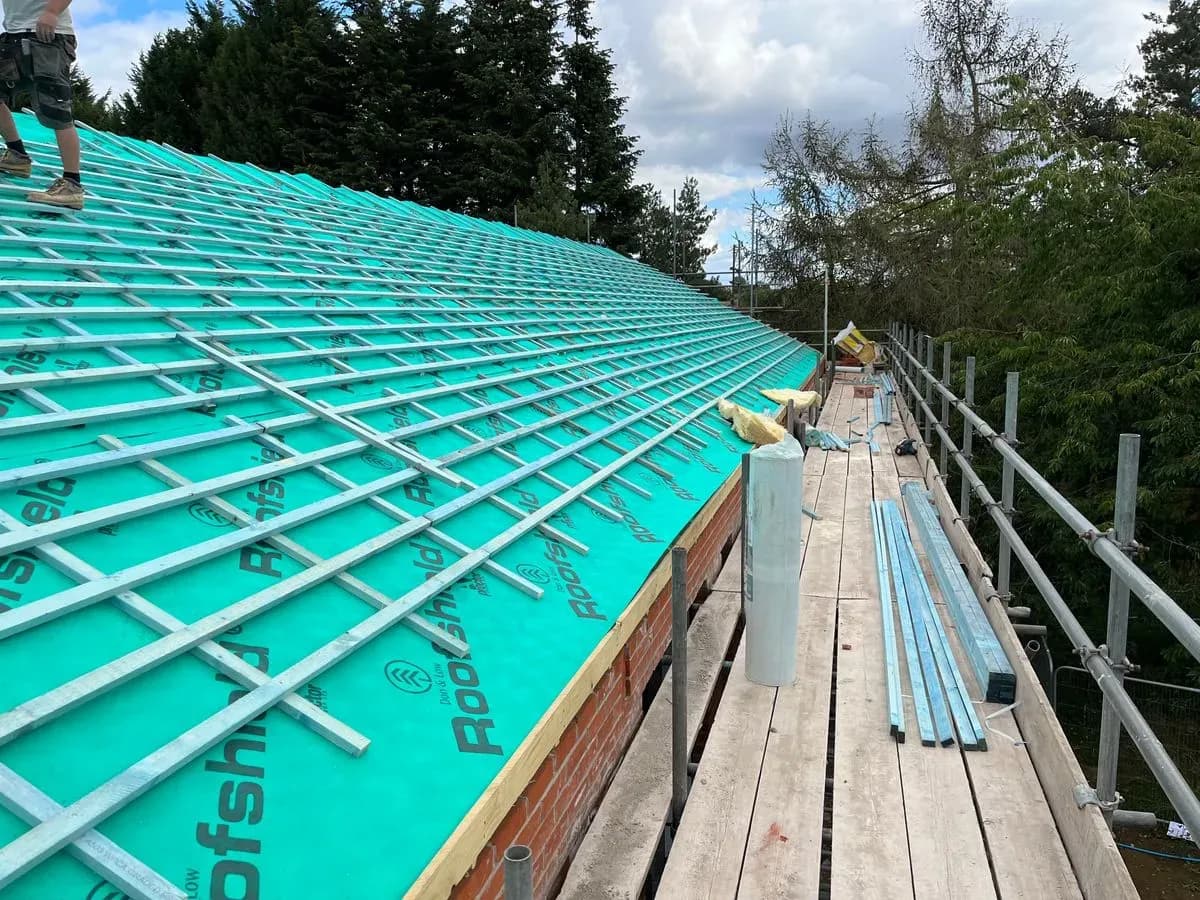
With energy costs remaining high, improving your home's energy efficiency makes both financial and environmental sense. Here are the most impactful upgrades for Leicestershire properties.
With energy bills having risen substantially over recent years, improving your home's energy efficiency is no longer just about environmental responsibility — it makes clear financial sense too. Leicestershire's housing stock includes many older properties that are poorly insulated by modern standards and stand to benefit enormously from targeted upgrades.
Loft insulation is consistently the most cost-effective energy improvement you can make. An uninsulated loft loses approximately 25% of a home's heat through the roof. Installing 270mm of mineral wool insulation (the recommended depth) costs relatively little and typically pays back within two to three years through reduced heating bills. If you already have some loft insulation but it's less than 100mm deep, it's worth topping it up — the improvement in heat retention is significant.
Cavity wall insulation is another highly cost-effective upgrade. Most UK houses built between 1920 and 1995 have unfilled cavity walls that lose a significant proportion of the building's heat. Cavity wall insulation is installed by drilling small holes in the external brickwork and injecting mineral wool or EPS beads into the cavity. The work takes a few hours, is relatively inexpensive, and can reduce heating bills by 15–20%.
If your home has solid walls (pre-1920 construction, common in Leicester's Victorian terraces), cavity fill isn't an option. External wall insulation (EWI) — which involves fixing a layer of insulating material to the outside of the building and rendering or cladding over it — or internal wall insulation are the alternatives. These are more disruptive and expensive but deliver substantial improvements in both energy efficiency and thermal comfort.
New double or triple glazing is a significant investment but delivers meaningful reductions in heat loss, as well as improving acoustic insulation and eliminating draughts around old window frames. Triple glazing is increasingly cost-effective and is worth considering on north or east-facing elevations in particular.
A modern condensing boiler with smart thermostatic controls and TRVs (thermostatic radiator valves) in every room can reduce heating energy consumption by 20–30% compared to an older system. Combined with an insulated hot water cylinder and properly lagged pipes, the savings compound meaningfully over time.
Finally, check whether you are eligible for government grant support. The Great British Insulation Scheme and other programmes may provide financial assistance for energy efficiency improvements, particularly for lower-income households or properties with poor EPC ratings. Your local authority can advise on current eligibility criteria and available funding.
Key Takeaways
- Cavity wall insulation can reduce heating bills by 15–20%
- Loft insulation is one of the most cost-effective improvements
- Double or triple glazing dramatically reduces heat loss
- A new boiler with smart controls significantly cuts energy use
- Government grants may be available through the Great British Insulation Scheme