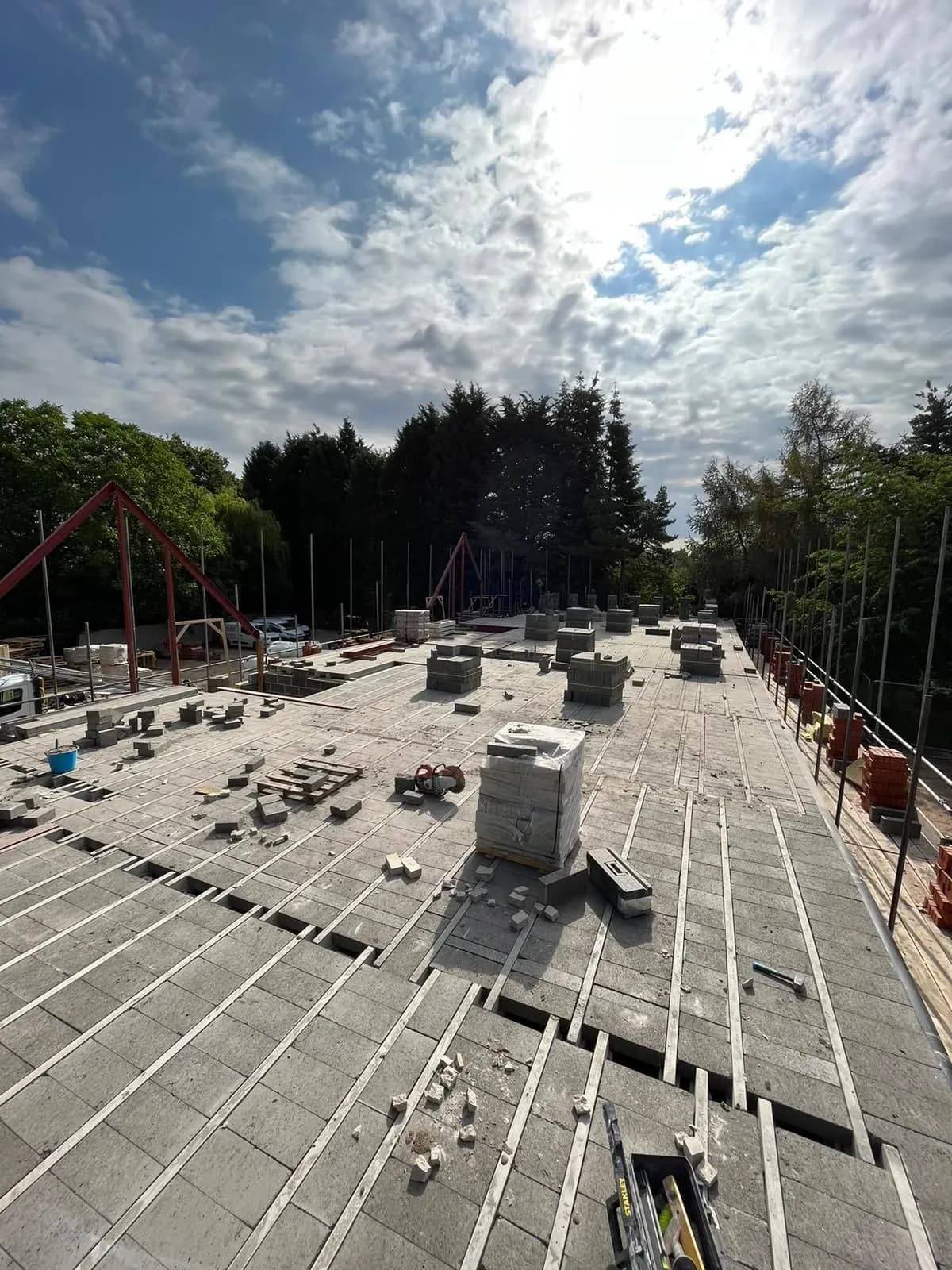
A loft conversion can add a bedroom, bathroom, or home office without touching your garden. Learn about the different types, costs, and planning requirements.
A loft conversion is one of the most popular home improvements in the UK — and for good reason. It creates valuable living space without reducing your garden, often doesn't require planning permission, and can add significant value to your property. Here's everything you need to know before getting started in Leicestershire.
There are four main types of loft conversion. A Velux (or roof light) conversion is the simplest and most affordable, involving the installation of roof windows without altering the roofline. This works well in lofts with adequate head height and is the least disruptive to complete, typically costing £25,000–£40,000 for a double bedroom with en-suite.
A dormer conversion extends the roofline to create a box-shaped structure that dramatically increases head height and floor area. It is the most common type in Leicestershire due to the area's typical roof pitches and is usually permitted development — meaning no planning permission is required. Costs typically range from £35,000 to £55,000.
A hip-to-gable conversion involves extending a hipped (sloped) end of the roof into a vertical gable wall, creating more usable space. This is popular on semi-detached and detached properties and often needs planning permission. Budget £40,000–£60,000.
A mansard conversion creates a near-vertical rear wall and a flattened roof, producing the maximum possible floor area and head height. It is the most expensive type of loft conversion, typically £50,000–£80,000, and almost always requires full planning permission.
Before starting any loft conversion, your builder will assess whether your roof structure is suitable. Traditional cut rafter roofs are ideal for conversion. Modern trussed roofs (common in properties built after 1970) can be converted but require more structural work, which adds cost.
Building regulations approval is required for all loft conversions — even those permitted development projects that don't need planning permission. This covers structural safety, fire escape routes, insulation standards, and staircase requirements. Your builder should manage this process for you.
In terms of return on investment, a well-executed loft conversion typically adds 15–20% to a property's market value in Leicestershire — making it one of the most financially rewarding home improvements you can make.
Key Takeaways
- Most loft conversions don't need planning permission
- Velux conversions are the most affordable option
- Dormer conversions add the most usable space
- Budget £25,000–£65,000 depending on type and size
- A loft conversion typically adds 15–20% to property value