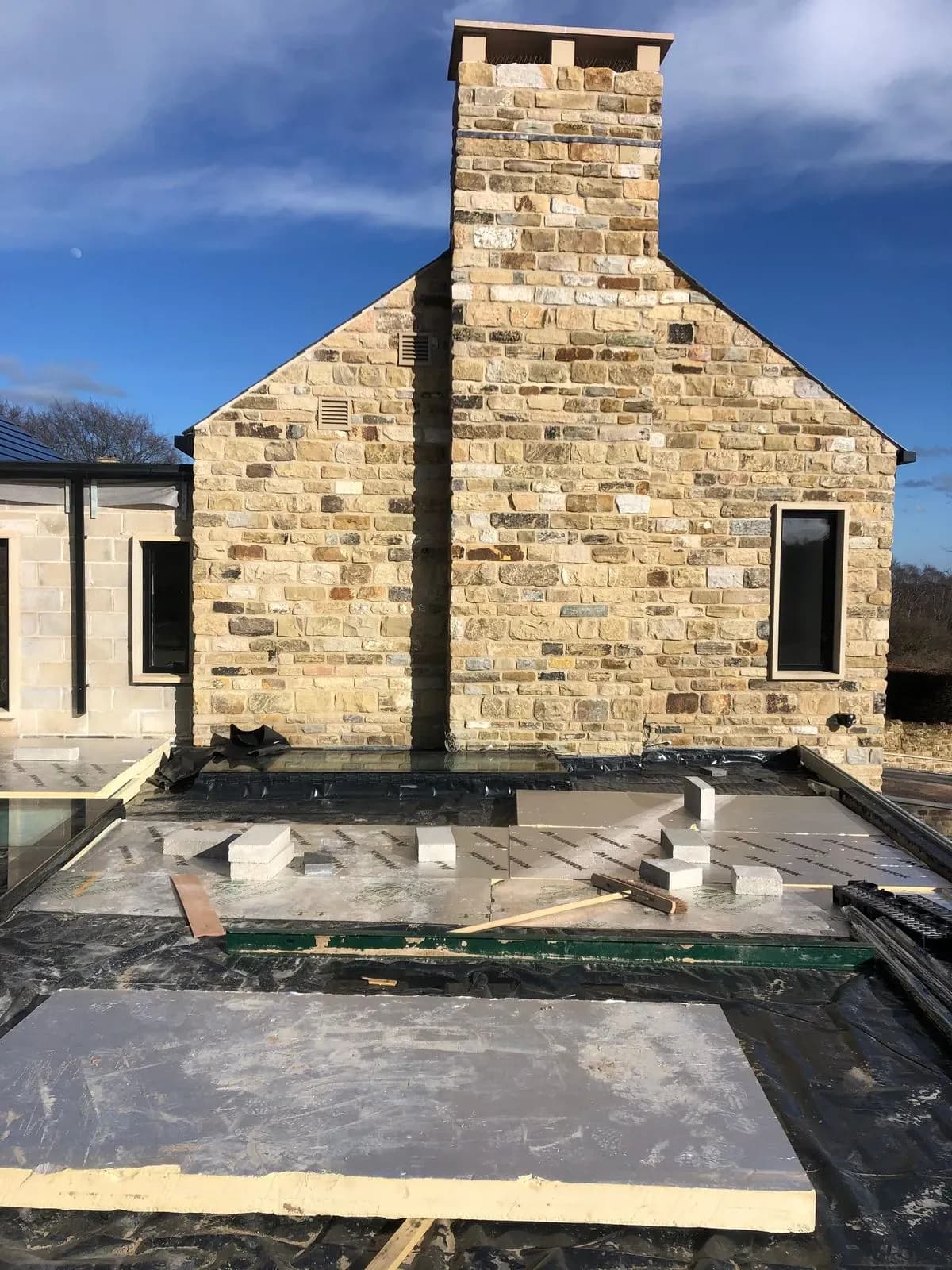
Many extensions can be built under permitted development rights without full planning permission. Here's a clear guide to the rules in England.
One of the most common questions we get at Spectrum Construction is: 'Do I need planning permission for my extension?' The good news is that many standard residential extensions in England can be built under Permitted Development Rights — meaning you don't need to apply for planning permission at all.
Under current permitted development rules, a single-storey rear extension can extend up to 4 metres from the rear wall of a detached house, or 3 metres for a semi-detached or terraced property, without requiring planning permission. Extensions up to 8 metres (detached) or 6 metres (other) are possible under the Neighbour Consultation Scheme, though this requires formal notification to your local authority.
The extension must not exceed 4 metres in height, or 3 metres if the eaves of the extension are within 2 metres of the property boundary. It should not project forward of the principal elevation (the front of the house facing the road) and must not cover more than half of the total garden area.
For two-storey extensions, the rules are stricter. The extension must be no closer than 7 metres to the rear boundary and should not exceed the height of the existing roof ridge.
Permitted development rights do not apply if you live in a flat, a listed building, a Conservation Area, an Area of Outstanding Natural Beauty, or a National Park. In these cases, you will almost certainly need to make a full planning application. Properties can also have their permitted development rights removed by the local authority through an Article 4 Direction, so it's worth checking this with Charnwood, Blaby, Oadby and Wigston, or your relevant local council.
Even when full planning permission is not required, building regulations approval is always needed. This is separate from planning and covers the technical standards of the build — structural adequacy, fire safety, insulation, drainage, and so on. Your builder should manage this for you as a matter of course.
The most reliable way to establish whether your project needs planning permission is to speak to a professional builder or submit a Lawful Development Certificate application to your local authority. At Spectrum Construction, we advise all of our clients on planning requirements as part of the free consultation process — so you'll always know exactly where you stand before any work begins.
Key Takeaways
- Single-storey rear extensions up to 4m (detached) or 3m (other) are usually permitted development
- Extensions must not cover more than 50% of your garden
- Maximum eaves height of 3m within 2m of a boundary
- Permitted development rights don't apply to flats or listed buildings
- Building regulations are required regardless of planning permission