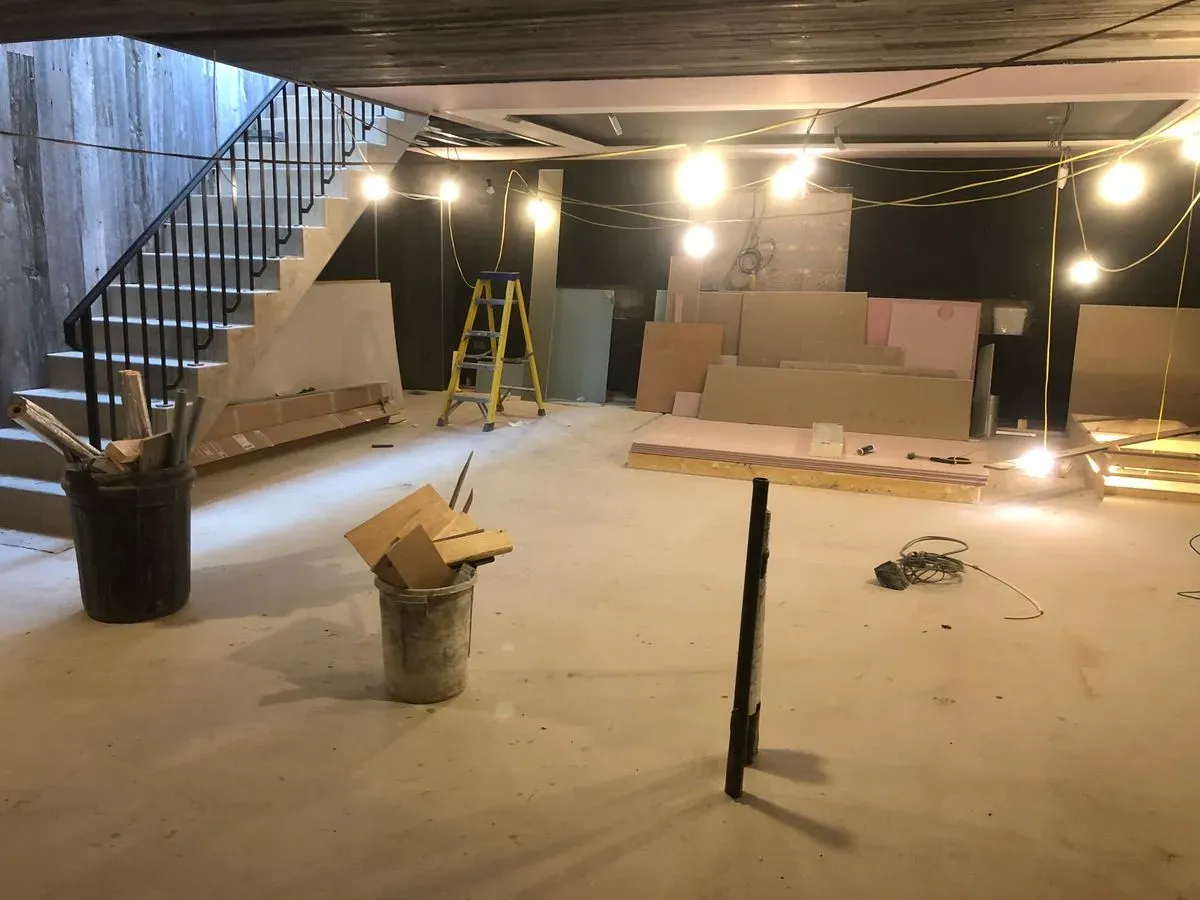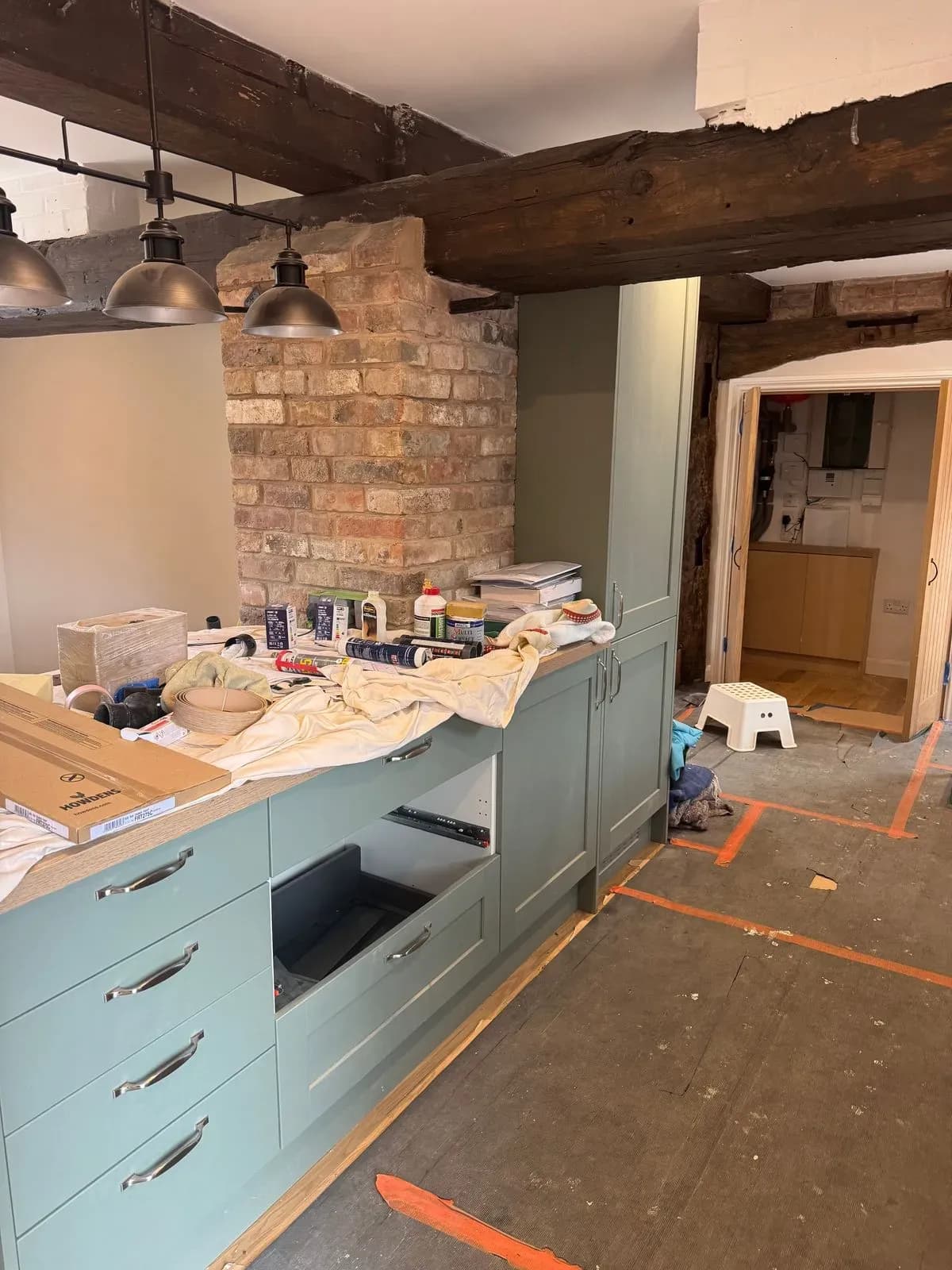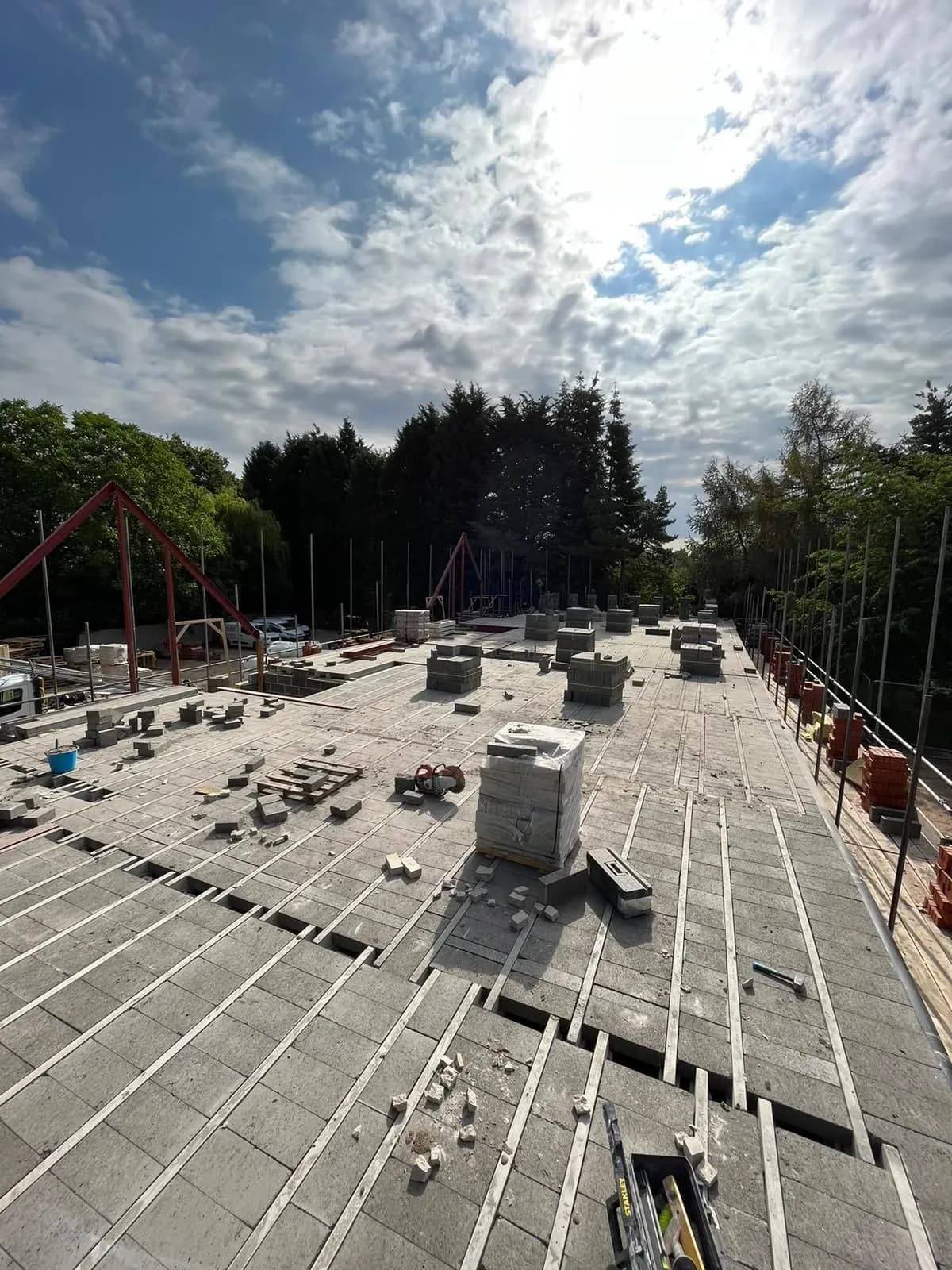
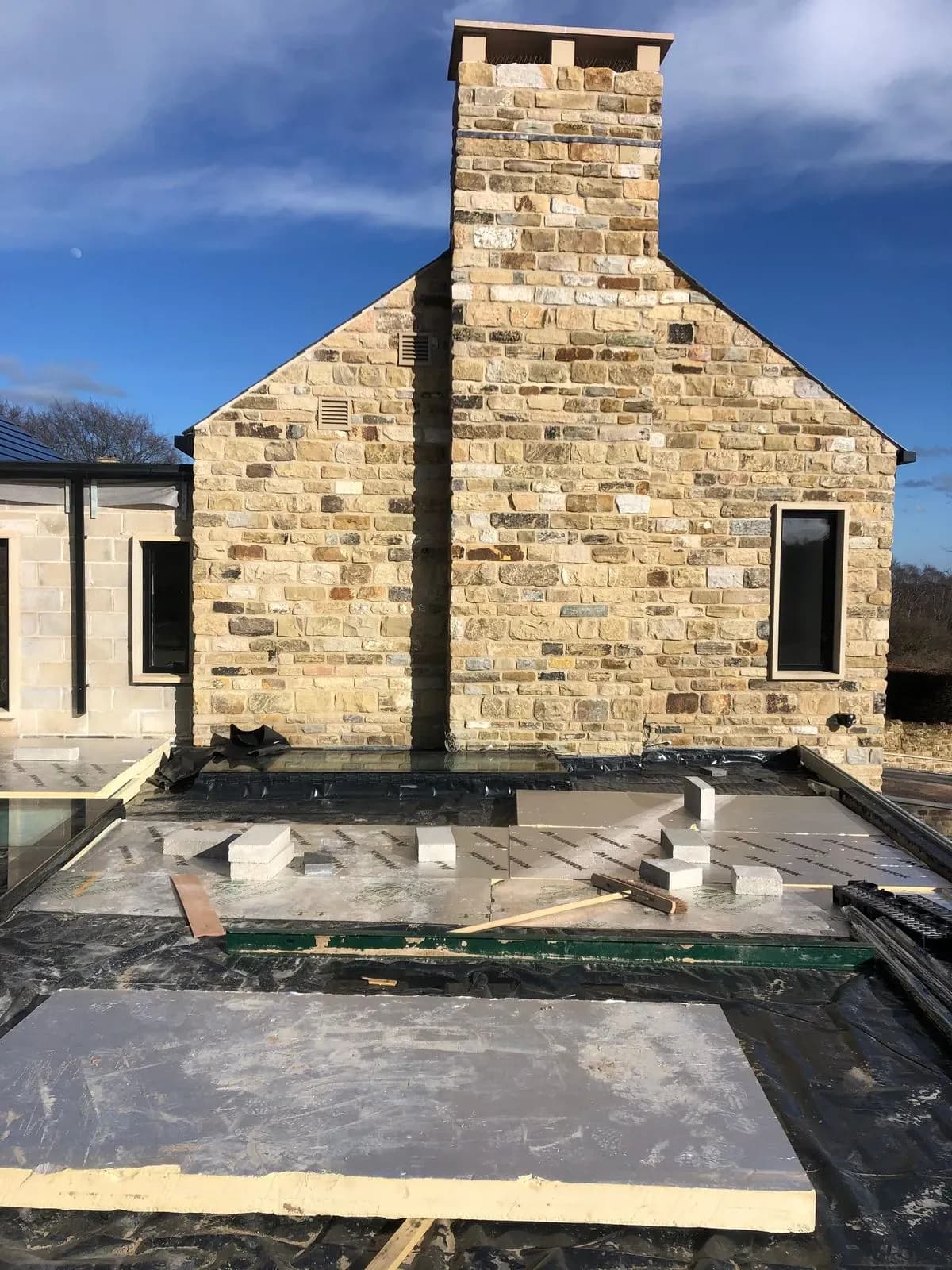
Torn between building from scratch or renovating an existing property? We weigh up the pros and cons to help you make the right decision.
When clients come to us with a plot of land or an existing property in need of major work, one of the first questions we help them answer is: new build or renovation? There's no universal right answer — it depends on the property, the budget, the location, and what the client ultimately wants to achieve.
The principal advantage of a new build is total design freedom. You start with a blank canvas and can create exactly the layout, specification, and style you want, built entirely to current building standards with the latest insulation, services, and technology. A new build also typically requires far less ongoing maintenance in its early years than a renovated property. For self-build projects that meet HMRC's qualifying criteria, new builds can be VAT-zero-rated — a significant financial advantage compared to renovation work, which is generally subject to standard rate VAT.
The main argument for renovation over new build is usually cost efficiency. Stripping back and rebuilding an existing structure often delivers a similar amount of floor area at lower cost than starting from scratch, because the foundations, walls, and roof (or substantial elements of them) already exist. Renovation also tends to produce a more distinctive character property than a new build, which can be important to buyers in certain Leicestershire markets.
However, renovation carries a greater degree of uncertainty. Until you have a structural survey and start opening up the building, you don't know exactly what you'll find. Hidden damp, asbestos, poor electrics, failing drainage, or inadequate foundations can all add significant cost to a renovation project. A 15–20% contingency budget is essential for any major renovation.
Listed buildings and properties in Conservation Areas are subject to significant restrictions on what alterations can be made, both internally and externally. If you're considering buying a listed property to renovate, you need specialist advice early — listed building consent requirements can make certain alterations impossible or prohibitively expensive.
For most clients in Leicestershire who already own a property and are deciding whether to extend and renovate or sell and build new, the renovation route is usually more financially and practically straightforward. For clients with a clear plot and a specific design vision, new build often delivers a better long-term outcome. Our team is happy to talk through the options for your specific situation — contact us for a free, no-obligation consultation.
Key Takeaways
- New builds offer full design control and modern building standards
- Renovations are often more cost-effective for similar floor area
- New builds can attract zero VAT if self-build qualifications are met
- Listed buildings and Conservation Areas restrict what you can change
- A structural survey is essential before committing to any renovation